Sidebar
Religions Around The World
World Religions News
SBC tries to move on from abuse crisis, will debate women pastors and immigration
ORLANDO, Florida (RNS) — Over the past decade, members of the Southern Baptist Convention have touted the denomination’s diversity, sought to keep sexual abusers away from churches and passed statements advocating for immigration reform and a path to legal status for those in the country without authorization.
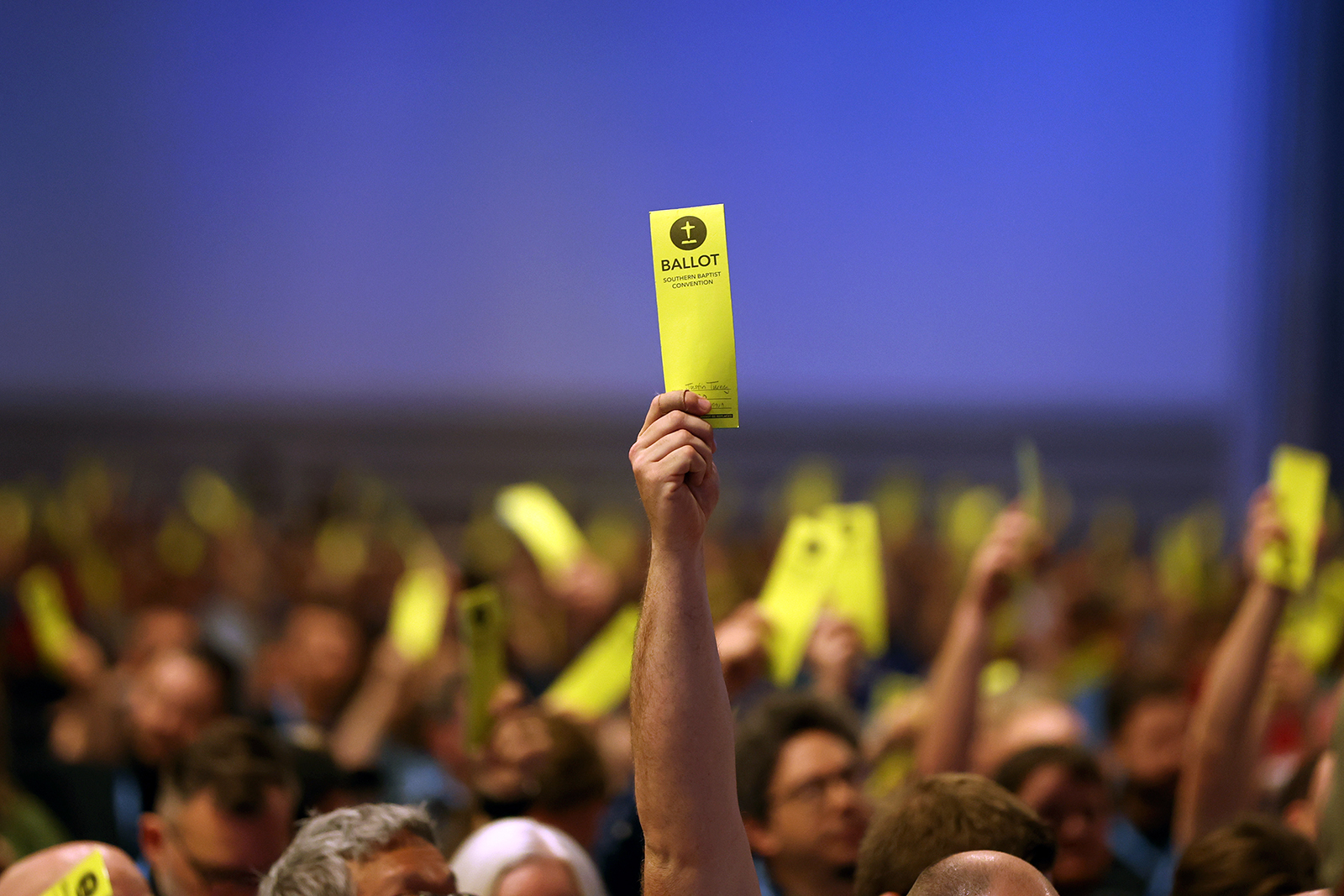
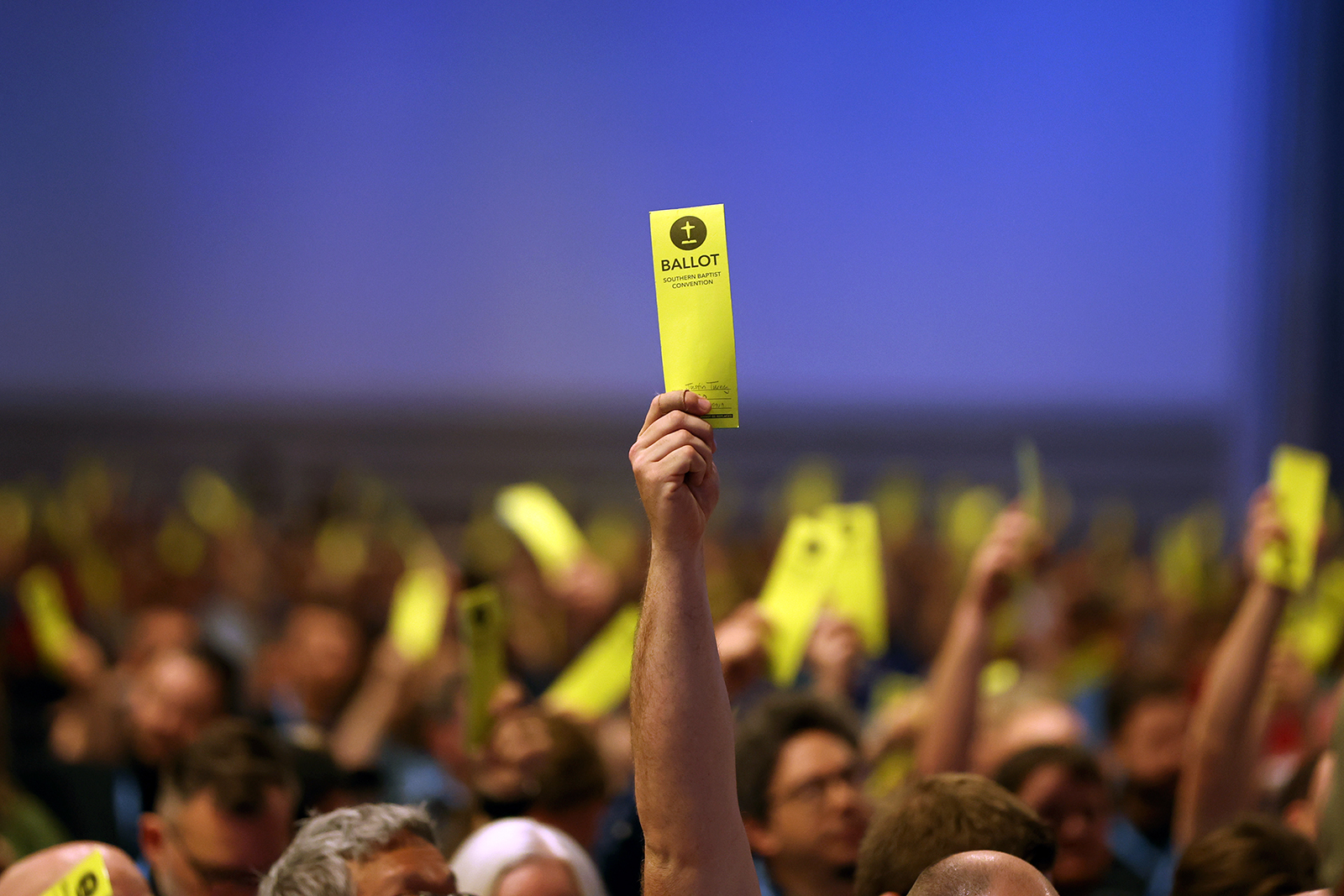
Now, for a vocal group of Southern Baptists, diversity is seen as too woke for the Bible. The two candidates running for SBC president say the SBC does not have an abuse crisis, with one claiming the sexual abuse crisis was a “snipe hunt” that led Baptists astray. And the more than 11,000 local church delegates, known as messengers, gathering at the Orange County Convention Center in Orlando, Florida, this week will debate a resolution that claims compassion should not get in the way of deportation.
They will also consider a call to ban churches with women pastors and churches that allow women to preach in Sunday services.
Al Mohler, president of Southern Baptist Theological Seminary in Louisville, Kentucky, plans to introduce what he calls a “Truth and Unity Amendment” during the SBC annual meeting, set for June 9-10. That amendment to the SBC Constitution would bar churches that affirm, appoint or endorse women pastors — and specifically mentions women who preach.
The SBC’s statement of faith already says that only men can be pastors. But some churches believe that only applies to the senior pastor of a church and give women on staff titles like associate pastor or children’s pastor. And some allow women to preach.
Two previous attempts to bar those churches have failed, falling short of the two-thirds majority needed for approval.
Leaders of the SBC also appear to want to shift the narrative — away from internal disputes, news of declining members and headlines about sexual abuse and toward a focus on missions instead.
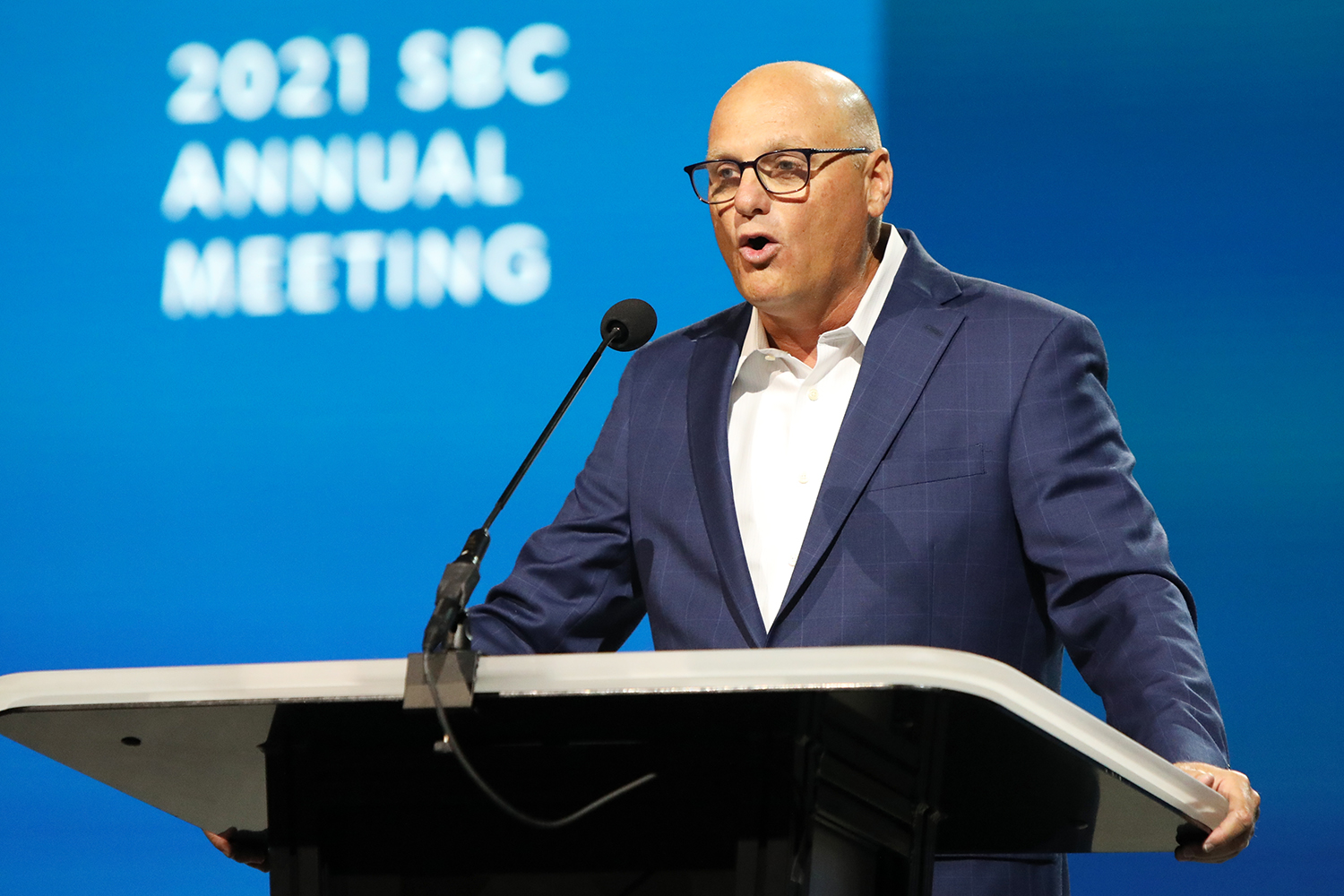
“I’ve said it before, I keep saying it over and over again — Southern Baptists are a force for good,” Jeff Iorg, CEO of the SBC Executive Committee, told trustees in a meeting Monday (June 8). “We have much to celebrate, and that will be our focus these next two days.”
Rev. Willy Rice, pastor of Calvary Church in Clearwater, Florida, told RNS in an interview that he believes a decade of controversies and bad decisions has hurt the SBC. Local churches, he said, no longer trust the denomination’s leaders.
“The seams of our fellowship seem to have been stretched and torn over the last decade,” Rice, one of two pastors running for SBC president, said. “I’m concerned about our trajectory if something doesn’t change.”
Rice has said that concerns about an abuse crisis in the SBC were overblown and that the convention’s response to concerns about abuse was overblown, too.
A 2021 report from Guidepost Solutions, which was commissioned by the SBC messengers, found that convention leaders had long sought to downplay the issue of sexual abuse and had stonewalled efforts to address the issue on a national basis. That led to a series of reforms, including more training for churches on abuse prevention and a database of abusive pastors. While progress has been made on church training on how to prevent and respond to abuse, plans for that database have been largely abandoned.
Rice, who dropped out of the SBC presidential race in 2022 over concerns about past misconduct by a leader at his church, has said that any abuse should be reported to the police. But he also has said the SBC’s response to abuse went badly wrong.
“The Southern Baptist Convention got the Brett Kavanaugh treatment — and probably for the same reasons,” he wrote in a 2024 essay for the Center for Baptist Leadership, a group that claims the SBC has become too liberal.
Rice has also said the SBC needs more financial transparency. If elected, he also wants the SBC to get back to a focus on missions and evangelism. A fourth-generation Southern Baptist, he said he loves the SBC despite its issues.
“I love Baptist people, and I care about the Southern Baptist Convention,” he told RNS. “There is so much that I celebrate.”
Rev. Josh Powell, pastor of Taylors First Baptist Church (CQ) in South Carolina, agrees.
Powell, who is also a candidate for SBC president, said that for the most part, the denomination is doing well. The number of missionaries has grown, he said, and the SBC continues to start new churches. Baptisms and church attendance have also started to rebound post-COVID.
Still, he said, convincing more than 40,000 churches to get along is not easy.
“Cooperation is hard,” he said. “It’s always been hard.”
He worries that, like the country in general, the SBC has become too polarized. Focusing on missions, he said, can unite the denomination.
During their meeting in Orlando, the SBC’s International Mission Board will recognize 63 new missionaries being sent out. The convention will also vote on a plan that would boost the IMB’s budget by more than $2 million a year.
If approved, 51% of the denomination’s total budget would go to missions.
During the meeting, Southern Baptists will debate a number of proposed resolutions, including one on immigration. A resolution entitled “On Immigration, Human Dignity, and the Rule of Law” expresses support for “lawful immigration enforcement” and says that “Christian compassion and hospitality do not negate lawful order or excuse indifference to public justice and social peace.”
The immigration resolution also rejects nativism and “ethnic supremacy,” as well as amnesty for those in the country illegally. Unlike past SBC resolutions, it makes no mention of a path to legal status for those in the country without approval. Last fall, the SBC’s public policy arm dropped out of an evangelical immigration advocacy group.
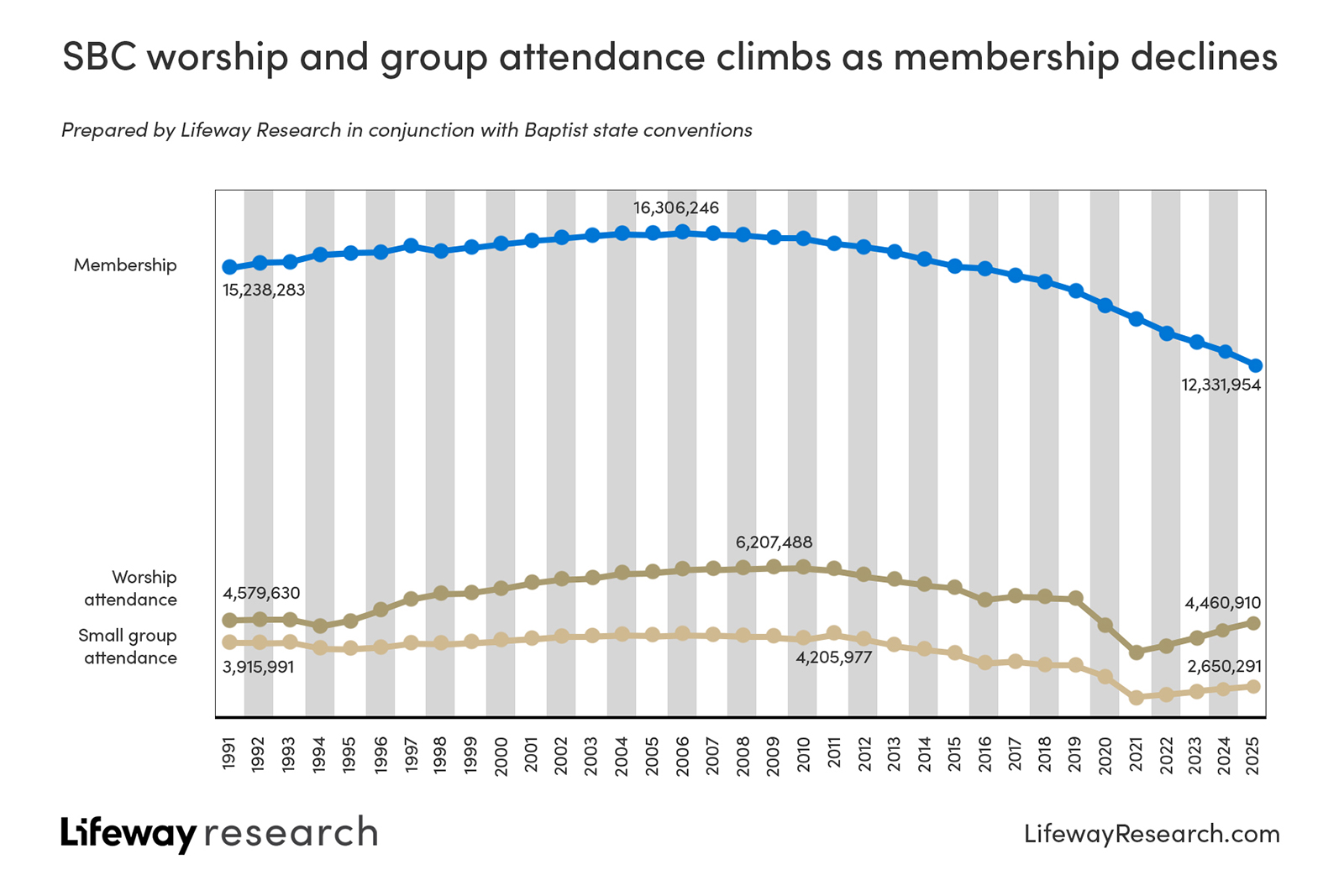
With 12.3 million members, the SBC remains the largest Protestant denomination in the country. At its peak in 2006, the SBC claimed 16.3 million members.
A report released earlier this year found that attendance and baptisms in the SBC have continued to rebound from declines during COVID. In 2025, about 4.5 million worshippers attended SBC churches, while 263,075 people were baptized.
By contrast, in 2015, more than 5.6 million people attended SBC churches, a loss of more than a million attenders.
Archbishops of San Antonio, New York announce ‘friendly wager’ as Spurs face Knicks in NBA finals
Some Republican governors are rebranding June with conservative alternatives to Pride
SALT LAKE CITY (AP) — June is widely recognized as Pride Month, but a handful of Republican governors have bestowed alternative titles that both supporters and opponents view as counterprogramming.
Without directly saying the idea was to replace Pride, the governors of Indiana and Tennessee rebranded June as Nuclear Family Month to celebrate units made up of “one husband, one wife and any biological, adopted or fostered children.”
In Alabama, it’s Strong Families Month, intended to coincide with Father’s Day. Gov. Kay Ivey’s proclamation says fathers are “the head of the household” and “homes led by a father and mother provide children with the structure and discipline necessary to succeed throughout life.”
The governors of Utah and Arkansas deemed it Fidelity Month, which emphasizes fidelity to faith, country and family — without comment on how those families might be comprised.
Last week, Arkansas Gov. Sarah Huckabee Sanders’ X account posted a link to an article about her proclamation that declared, “Another Red State is Counter-Programming Pride Month.”
She and the other governors haven’t answered questions from The Associated Press about why their proclamations are all set in June.
Family focus for June has come on strong this year
Republican lawmakers in at least four other GOP-controlled states have introduced legislation this year calling for June to be Fidelity Month.
An organization pushing that concept was founded by Robert P. George, a Princeton University professor of jurisprudence who has long been a leader on conservative thought. His group did not respond to interview requests.
He told the National Catholic Register about the idea in 2023, saying “nobody gets a monopoly on a particular day or a particular month.”
June Pride celebrations, which often include parades, festivals and performances, began in 1970 to mark the first anniversary of the violent police raid on the Stonewall Inn, a New York City gay bar, and have since expanded to cities worldwide.
“You can call it whatever you want, but one thing you’re not going to do is take away our pride or take away our joy,” said Jordan Braxton co-president of USA Prides.
Every Democratic president since Bill Clinton in 1999 has signed a Pride proclamation each year — and no Republican president has.
Last year, President Donald Trump’s Education Department began declaring June to be Title IX Month – and using it to open investigations into schools that allow transgender students to use the bathrooms or locker rooms that align with their gender identities.
One of the few GOP governors who has proclaimed Pride is Utah’s Spencer Cox, who did so in 2021, 2022 and 2023. In 2024, he deemed June a “Month of Bridge Building” before switching to Fidelity Month this year.
A poll released this week found that a two decade-long increase in acceptance of same-sex marriages and relationships has flattened — largely because more Republicans oppose them.
Conservatives say they’re ‘reclaiming the culture’
Last year, U.S. Rep. Mary Miller, an Illinois Republican, introduced a resolution to make June Family Month — and to unrecognize Pride Month, saying “Americans are inundated with perverse Pride Month displays and events throughout the month of June that denigrate the nuclear family.” It never got a vote.
Some backers view the state measures as an opportunity for a cultural reset.
Kevin Roberts, president of the conservative Heritage Foundation, said in an interview that it’s good to have the conservative recognitions because Pride celebrations “were going so far as to make it difficult to celebrate traditional marriage.”
The resolution approved by Tennessee’s Legislature and governor does not mention Pride Month specifically, while saying the “nuclear family is under attack in our beloved State and nation.”
But Lakie Derrick, a conservative activist who authored the measure with a friend, said she did indeed target it to June to counter Pride Month, which she said “goes against” American values.
“We’re just reclaiming the culture, and there’s no better month to do that than in a month where the culture says we’re gonna celebrate something so opposite to what we know to be right,” Derrick said.
Marina Lowe, who leads legal and legislative affairs for the LGBTQ+ advocacy group Equality Utah, said that Pride Month is not the antithesis of other values-based recognitions. Many LGBTQ+ people also value faith and family, she said, so “I don’t think that these positions need to be in conflict with one another.”
In Wenatchee, Washington, a school’s Turning Point USA chapter was able to get Family Month banners posted on light poles that in the past had displayed rainbow flags during June. A local gay rights group, Out NCW, struck back by buying two billboards and passing out yard signs supporting Pride, its president, AJ Soto, said.
For some, this is why Pride Month exists
Josh Coleman, president of Central Alabama Pride, which has 42 events planned over two weeks, said the celebrations, which culminate with a parade on June 13 and festival June 14, won’t be affected by the proclamation.
“It’s not lost upon LGBTQ people when elected leaders don’t recognize or value the visibility of the community,” he said. “That’s why Pride started in the first place — to make sure the community had a community.”
Alex Richardson, chair of the board of directors at Indy Pride in Indianapolis, said he sees the governor’s proclamation there as a “swipe.” But he also believes the events there this month are celebrating some of the things the governor supports.
“Sure, the governor’s right, the nuclear family is worth celebrating,” Richardson said. “But I think so is the grandmother who raises her grandchildren, or the chosen family that shows up when a biological family can’t, or won’t, … or the weird blended households that are held together by love and effort.”
___
Levy reported from Harrisburg, Pennsylvania, and Mulvihill from Haddonfield, New Jersey.
___
This story has been updated to correct ‘blended family’ to ‘biological family’ in a quote by Alex Richardson.
The superfans known as the ‘Spurs Nuns’ aiming to bring divine intervention to the NBA Finals
SAN ANTONIO (AP) — Victor Wembanyama stepped off the court for a moment before Game 1 of the NBA Finals, accepted greetings from a handful of well-wishers in San Antonio Spurs jerseys, then bowed his head to join them in a quick prayer.
They’re the Salesian Sisters of St. John Bosco.
On game nights, they’re called the Spurs Nuns.
New York has Ben Stiller, Tina Fey, Tracy Morgan among its superfans; San Antonio has a group of nuns who wear Spurs jerseys over their habits. It’s a relationship that goes back at least 20 years or so, and to the sisters it makes perfect sense.
“We’re serving the poor and the young,” said Sr. Bernadette Mota, the director of the department of mission advancement for the Salesian Sisters. “And in order to reach the young where they’re at, you have to love what they love and then they’ll love who you love. So, we have that affinity with the Spurs because it gives us an avenue to do our mission with the young people that we serve.”
This tale started in a most unique way.
As the story goes, a couple decades ago, some of the retired sisters — who happened to be native Texans and big Spurs fans — would watch the games on television or listen on the radio, some even doing so while hospitalized. They would cheer for all the players, and for coach Gregg Popovich. But Popovich would sometimes seem a bit angry on the sidelines, prompting some of the sisters to reach out with letters.
“They would write to Coach Popovich and let him know when they thought he was he doing great and let him know when he lost his temper — but they were really supporting him,” Mota said. “He’s the one that actually responded back to them, thanking them for their support for him and for the Spurs. It was really just a very organic conversation that started all of this.”
Yes, it’s true: The nuns would scold Pop for bad behavior.
“They would, in a nice way, in a very nice way,” Mota said. “They’d be like, ‘Coach, you lost your temper there, come on, we’re praying for you, you can do better.’”
Popovich and the Spurs have kept a relationship with the sisters since. Popovich’s late wife Erin, who died in 2018, also had close ties to the sisters and their work. It has been a mutually beneficial relationship; the Spurs love having the sisters at games, and the story of what the nuns do when they’re not watching basketball has led to many people offering to help their mission.
“We’ve had a number of individual people reach out and they’ve been donating anywhere from $10 to $100 and we’ve had a few ones who have larger capacity reach out, too,” Mota said. “All of this is divine providence, God’s gift, because we’re actually very much in need. Our mission, we rely on the generosity of people who are our partners and collaborators in our mission.”
The sisters aren’t the only fan group that the Spurs have embraced. This season also brought the Jackals — a group that was envisioned by Wembanyama with hopes of simulating what happens in European soccer matches, with organized chants, drumming and the like throughout the game.
The nuns pray. The Jackals chant “Olé, Olé, Olé.”
Different approach, same intentions.
“I’ve known for years that the Spurs community had this strength in them,” Wembanyama said. “Now to finally see it being channeled into something organized and efficient and effective, it’s a great joy.”
Joy. That’s the word the sisters use as well.
It was certainly noted by those around the Spurs that the sisters gave Luke Kornet a special blessing during the Western Conference finals and he came up with an incredible chasedown block midway through the fourth quarter of Game 7 in Oklahoma City, helping to ensure that San Antonio would win that game and earn this finals trip.
Divine intervention? Maybe.
It’s also not lost on the sisters that Pope Leo XIV’s prayer intention for June is on the value of sports and how they can promote peace and respect across the globe.
“I don’t know if his people who helped him out in terms of creating prayer intentions were also in tune with what’s going on with the sisters and the San Antonio Spurs,” Mota said. “Maybe, maybe not. I have no idea. But I just thought it was pretty awesome that his prayer intention for June is for sports.”
___
AP NBA: https://apnews.com/hub/NBA
Bishop of Toledo, Ohio, calls shooting of 12 at local festival a ‘tragic act’
Qatar spent decades building its reputation. Deporting Bahá’ís threatens to undo it.
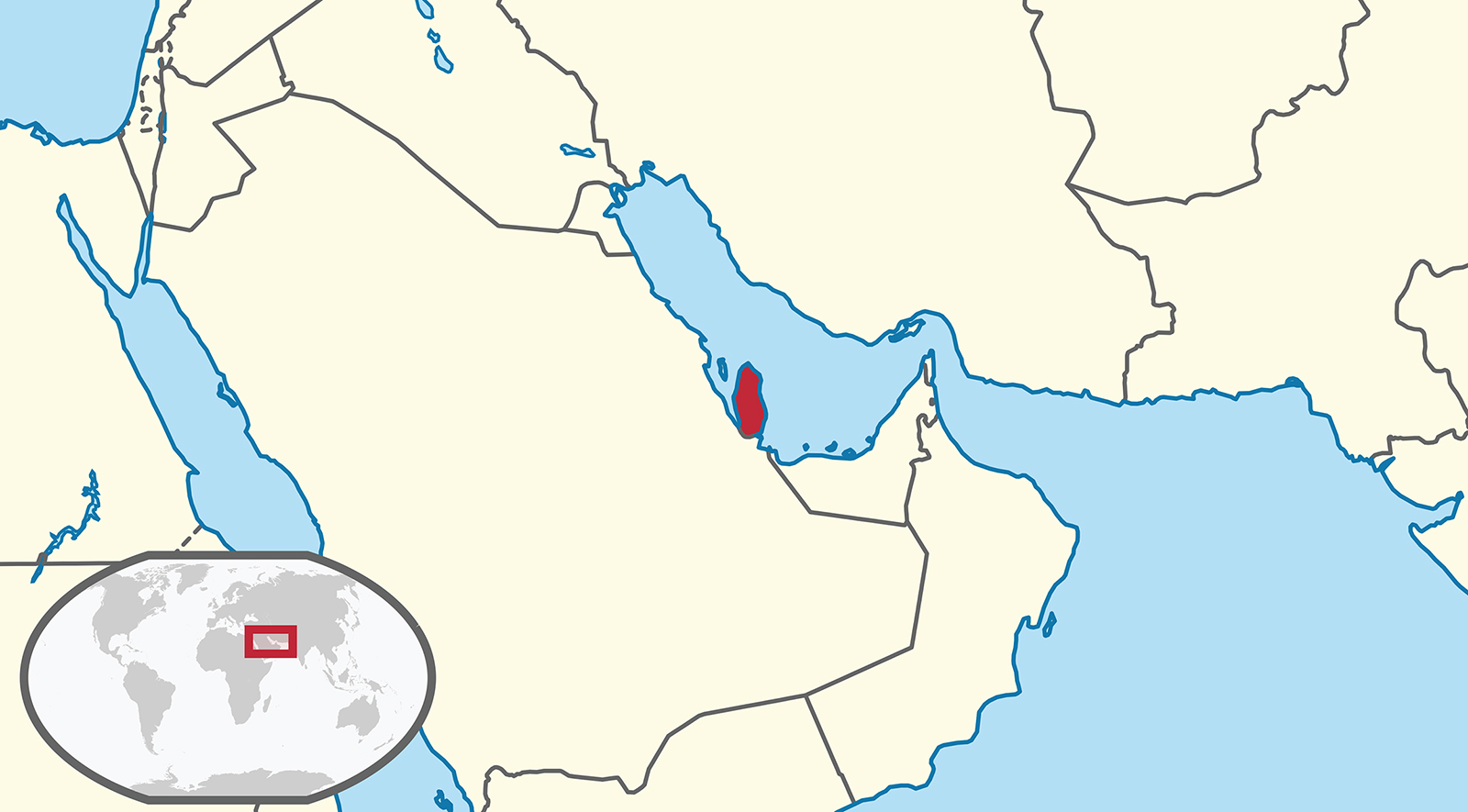
(RNS) — For eight decades, Qatar has positioned itself as a promoter of peaceful coexistence, mediating some of the world’s most fraught conflicts, including participating in efforts to defuse the ongoing war between Iran and the United States. Yet in the past few weeks, it has inexplicably risked its global standing by sharply escalating a campaign of harassment and arbitrary deportations targeting its own tiny, peaceful and ethnically diverse Baha’i community.
Qatar’s marked discomfort with Baha’is — a community of only a few hundred in the country — is not new. Although the Qatari Constitution includes a freedom of religion or belief provision, Baha’is have been denied legal recognition and citizenship. This is despite many Baha’i families having lived in the region for generations, dating back to before Qatar’s recognition in 1971. Since its creation, Doha has repeatedly reminded the Baha’is, by intermittently and arbitrarily detaining and deporting them, that they do not belong.
Recently, in 2025, the case of Wahid Bahji drew international attention. Born and raised in Qatar and a member of the National Spiritual Assembly of the Baha’is, he was forced to leave and subsequently blacklisted — forbidden from returning to the country he called home his entire life. His case illustrates how the Qatari government operates: Over decades, the Baha’is most targeted for deportation have been those more active in serving the Baha’i community, all in a voluntary capacity.
Also last year, a distinguished businessman and Baha’i leader, 71-year-old Remy Rowhani, was detained and sentenced to five years in prison for allegedly violating a cyber crime prevention law by posting passages of Baha’i teachings on a social media account. Eventually, a Qatari court reversed the baseless lower-court verdict against Rowhani, and he was released. The reversal received worldwide praise, leading some in the international religious freedom community to read it as a positive sign that the Qatari government was willing to turn over a new leaf.
That proved not to be the case. In recent weeks, nearly half of the remaining Baha’is in the country have been threatened with detentions, non-renewal of work permits and forceful deportation. And this time, not only Baha’i leaders are being targeted, but also its rank-and-file members.
Consider the recent case of Moin Yeganeh. His father was one of Qatar’s first dentists. A successful businessman at 55, Yeganeh has called Qatar home his entire life, as have two generations of his family before him. Last month, he was detained and slated for deportation.
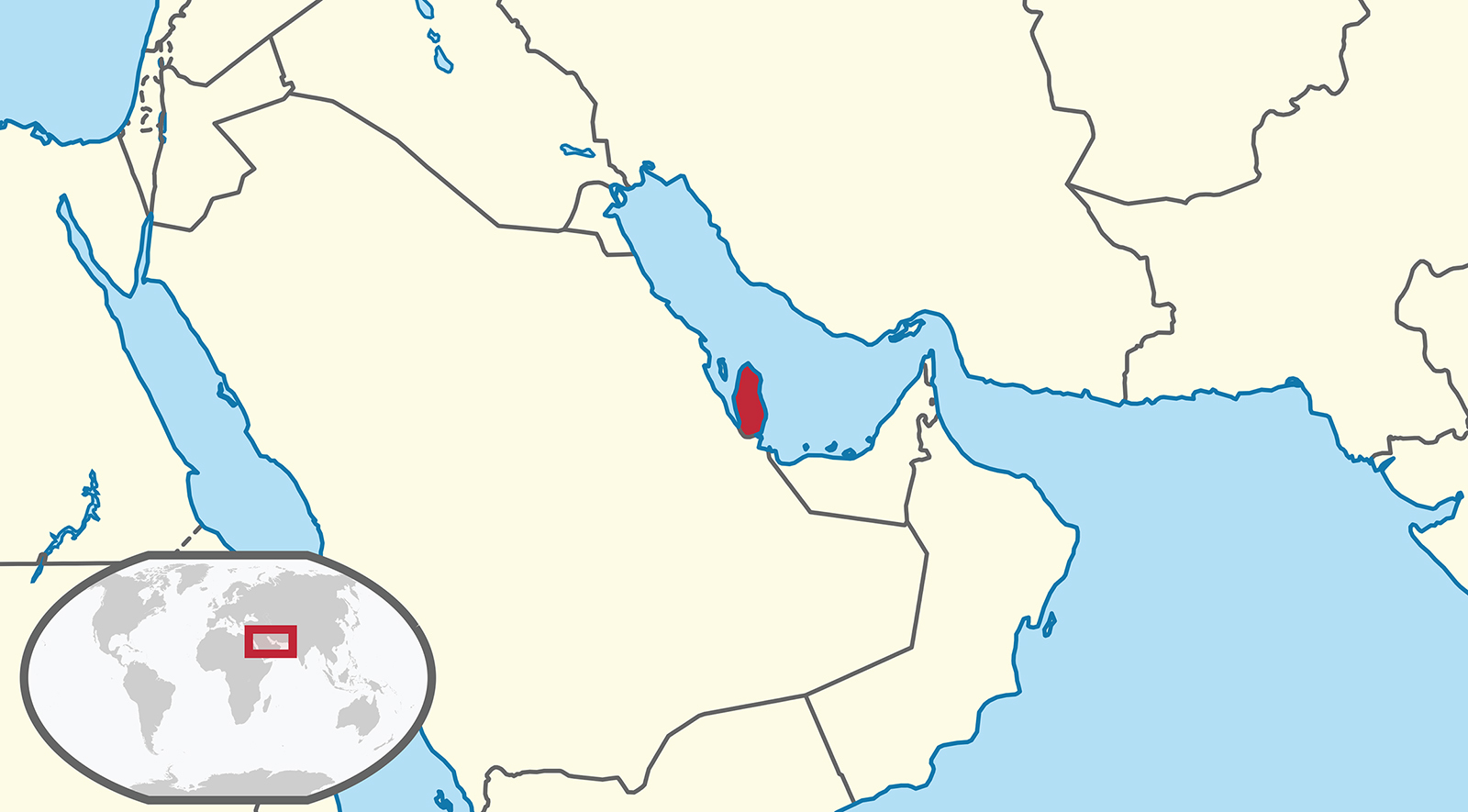
Another case involves an elderly couple with disabilities who are cared for by their daughter. The daughter, informed by the authorities of their termination of residency, would be separated from her husband and children because they hold different passports. She knows no other home but Qatar and faces a serious risk of forcible return, along with her parents. Like many other Bahá’ís, her family built their business from scratch and contributed to the country’s economy for decades. Being forced to leave would also require terminating their employees, causing many families to suffer financially. (To protect the family from retaliation, their names are being withheld.)
For a country that prides itself on dialogue, this is confounding. The Bahá’ís who remain in Qatar are hardly a threat to national security. On the contrary, they are known for promoting peace, the unity of humanity and the equality of men and women.
The United States has taken notice. For the first time since its creation over 25 years ago, the United States Commission on International Religious Freedom added Qatar to its Special Watch List this year, signaling ongoing concerns and prompting other U.S. government agencies to take notice.
Historically, U.S. government agencies have closely monitored the state of religious freedom abroad because its deterioration often signals deeper political instability and social unrest. Given that Qatar hosts one of America’s largest military installations in the region, it is in the strategic interest of the U.S. to understand Qatar’s position. Furthermore, the Department of State and the Treasury have powerful tools — including sanctions and visa restrictions — that can be used to hold officials and their families accountable for acts of religious discrimination. The U.S. has already deployed these tools against government officials who have violated religious freedom in countries like China, Iran and Myanmar, forbidding them, among other things, from visiting the U.S.
The international community has also taken notice. Last month, a group of United Nations experts raised concerns about administrative deportations “across different employment fields and ages,” and said the acceleration of the campaign affects “the very viability of the Baha’i community of Qatar.”
Recently, Majed al-Ansari, the Qatari Foreign Ministry spokesperson and special adviser to the prime minister, said that being an “energy provider and peace facilitator” was a matter of Qatar’s national pride. This is a lofty aspiration, but one could argue that a nation cannot aspire to be a peace facilitator if it cannot promote it in its own backyard.
Qatar still has time to prove it values pluralism. Doing so would affirm the very image Doha has worked so carefully to cultivate: a small country capable of tremendous leadership worldwide.
(Kristina Arriaga is a Cuban American writer and the former vice chair of the U.S. Commission on International Religious Freedom. The opinions expressed in this commentary do not necessarily reflect those of Religion News Service.)