(RNS) — The Department of Defense is substantially reducing the number of religions it officially recognizes, reportedly excluding atheists, pagans, humanists and New Age faiths, an independent military-focused news website reports.
The reduction of recognized faith groups represents the first time the military has revised the list since 2017, when it vastly expanded the list of recognized faith groups to about 211. The new list includes 31 recognized faiths, as first reported by Military.com on Thursday (June 4).
The outlet said its report was based on a May 20 memorandum it obtained after it was issued by the undersecretary of defense.
The Department of Defense did not immediately respond to a request from RNS for additional information, including the specifics of who was included on the list and how such decisions would affect military members of other faiths who might desire assistance from a chaplain.
But the report seems to reflect developments previously announced by Defense Secretary Pete Hegseth.
In a March video, he introduced upcoming Pentagon plans relating to reforms of the chaplain corps and recognition of religions.

“The previous system had ballooned to well over 200 faith codes,” Hegseth said. “It was impractical and unusable, and many codes were never used at all.”
“Our internal review committee recommended that going forward the department use 31 religious affiliation codes,” he added.
RELATED: At Pentagon Christian service, Hegseth prays for violence ‘against those who deserve no mercy’
Hemant Mehta, author of the Friendly Atheist Substack, questioned the exclusion of so many faith groups, including, reportedly, atheists.
“There are good reasons to include (more faiths), not just for accuracy, but because it makes it easier for people of minority beliefs to get the help they need and to gather with other people who may share their beliefs within the military,” Mehta said.
He also wondered if fallen soldiers might be recognized for their actual faith on headstones.
The Department of Veterans Affairs National Cemetery Administration lists more than 80 “emblems of belief” that can be used on headstones in military graveyards.
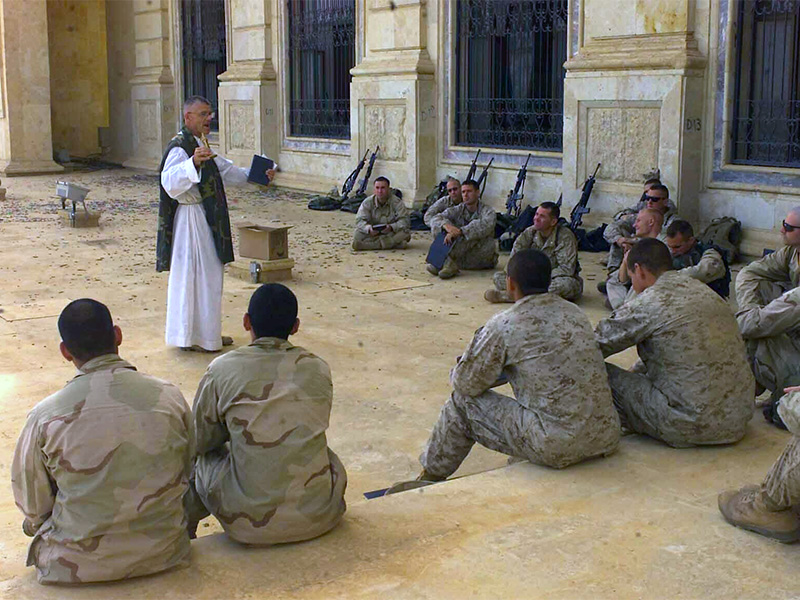
An unofficial list circulating among military personnel suggests the new list might predominantly include Christian denominations as well as Buddhists, Jews, Baha’is, Muslims, Sikhs and people in broad categories of “No Religion” or “Other Religions.”
“This looks like a list made by Christian nationalists who have no awareness of the world that exists outside their bubble, but who know that there are some different kinds of Christians,” said Mehta.
Hegseth has been explicit about his Christian faith. He worships at a church run by a self-described Christian nationalist and has held Christian worship services at the Pentagon. He has pushed social media messages that mix war preparations with Bible verses as well as official statements that champion a disputed, faith-focused version of U.S. history.
In 2017, during the first Trump administration, when the military expanded the number of recognized religious faiths it said it was doing so to provide “more accurate demographic data for religious groups,” to enable “better planning for religious support to the force” and to provide “a better assessment of the capabilities and requirements of each Military Service’s Chaplain Corps.”
Unitarian Universalists and Deists, who were reportedly excluded from the latest list, are among two categories represented among signers of the Declaration of Independence — although Unitarians and Universalists were separate groups at the time.
Retired Gen. Steve Schaick, who served as Air Force chief of chaplains from 2018 to 2021, told RNS he was aware of a plan to reduce the number of officially recognized faiths to about 30 but he had not seen a specific list.
“To me, that would be tragic if there are chaplains that are faithfully serving maybe smaller, lesser sized organizations and their endorsement is now in jeopardy,” he said, noting that chaplains of a particular faith are endorsed by a faith group that certifies to their ability to serve military members. “Once your ecclesiastical endorsement goes away, then the chaplain no longer has legitimacy in the military.”
(National reporter Jack Jenkins contributed to this report.)
RELATED: Hegseth’s removal of top Army chaplain raises ‘troubling questions’ from Black denomination
Original Source: