NAIROBI, Kenya (RNS) — As a wave of xenophobic violence continues rippling across South Africa, the country’s national church council is urging its members to open their doors for the resulting humanitarian emergencies and for dialogue.
For months, vigilante groups, sometimes armed with clubs, whips, knives and spears and singing South African patriotic songs, have been attacking foreign nationals, especially Black African migrants. Coordinating and encouraging protests, a South African anti-illegal immigration group called March and March issued a June 30 “deadline” for all undocumented people to flee the country.
The violence has resulted in at least 12 deaths, widespread destruction of foreign-owned businesses and homes and thousands of migrants fleeing South Africa or seeking shelter in community centers, mosques, churches and police stations, according to the director of the World Health Organization, Tedros Adhanom Ghebreyesus, in a June 14 post on X. Some are even fleeing into forests and the mountains.
“I write to you with a great sense of urgency and appeal for a compassionate heart,” said Archbishop Sithembele Sipuka, the president of the South African Council of Churches and the Catholic archbishop of Cape Town, in a June 9 pastoral letter to the council’s denominations titled, “Do not turn away the stranger.”
“Across our land … a wave of hostility, intimidation and violence has risen against our brothers and sisters from other countries,” Sipuka said. “As a Church of Jesus Christ in this country … we cannot keep silent.”
The mobs are targeting African immigrants who have entered the country legally as well as those without documentation. Many have settled in South Africa seeking better employment prospects in its industrialized economy. Some are refugees and asylum seekers fleeing violent conflicts, instability and climate change impacts in their home countries.
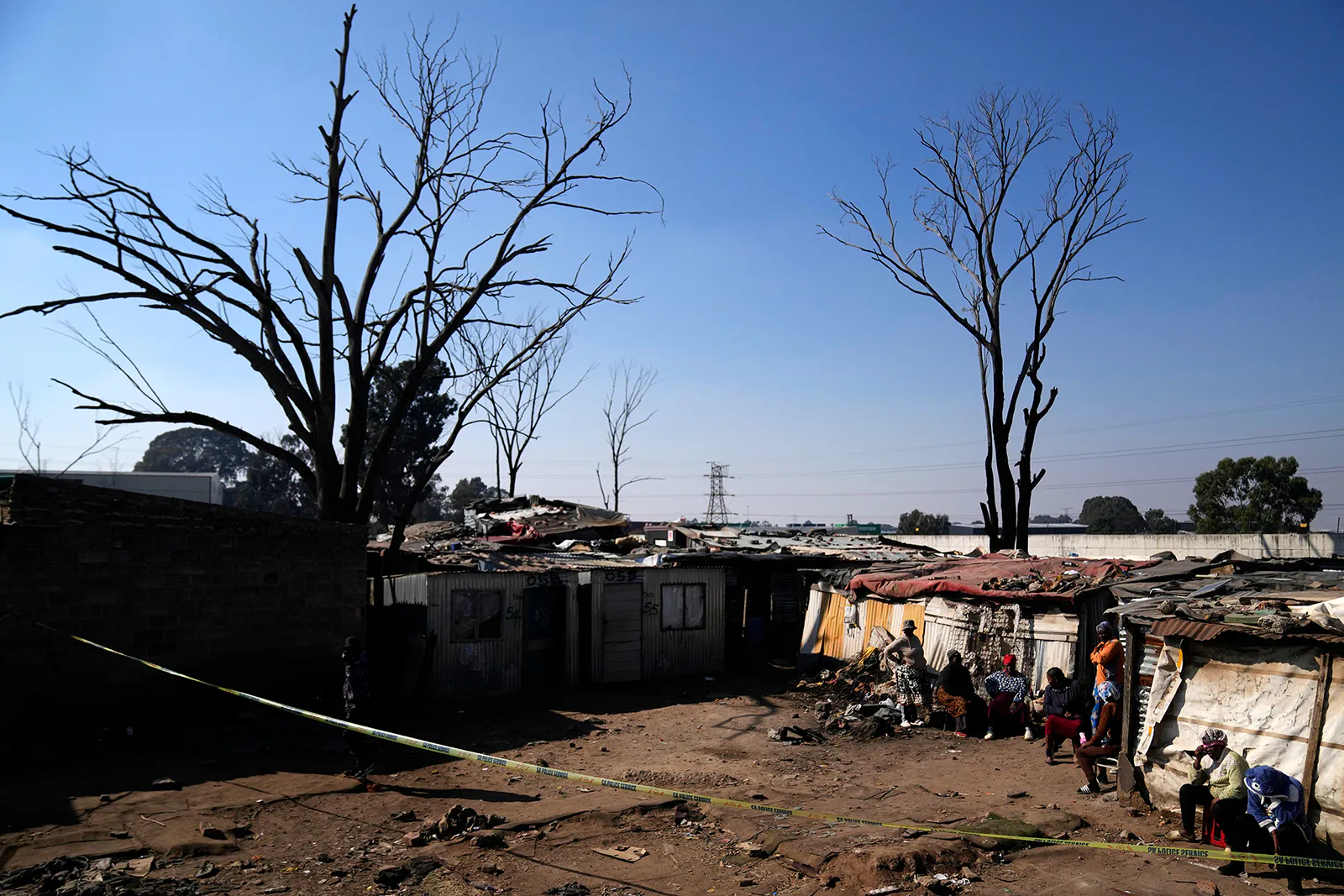
The current wave started in mid-April in the coastal province of KwaZulu-Natal, known for big-game hunting, safaris and surfing, and then spread to Pretoria and Johannesburg before reaching Cape Town and other urban centers.
According to the archbishop, the human cost of the violence was already visible in KwaZulu-Natal alone, where hundreds have been left homeless and the livelihoods of 1,000 local families destroyed. The displaced migrants also lack food, blankets, shelter, clean water and medical care.
“If it’s a cup of water that we can give, let us give it. If it is a blanket, let us give it. If it is food or medication or simply shelter and a kind presence, let us give that,” said Sipuka.
About 85% of 65 million South Africans follow Christianity, and the remainder adhere to African traditional religions, Islam, Hinduism and other faiths or no faith, according to a 2022 census.
“These faiths, in their core teachings, emphasize love, compassion, justice, and respect for human dignity,” the Rev. Joseph John Hayab, the chairman of the northern Christian Association of Nigeria, told Religion News Service. “They should guide us to treat one another with kindness, not hostility, and to uphold the sanctity of human life regardless of origin or status.”
The cleric said the violence is weakening the continent, deepening mistrust and threatening values that Africans hope to pass on to future generations.
“It is deeply painful to witness the cruel and inhumane treatment of Africans by fellow Africans in South Africa,” Hayab said. “Such incidents raise urgent questions about our shared identity and values: where is our unity, and what has become of the Ubuntu spirit that once defined our humanity?”
The Ubuntu philosophy that “I am because we are” is often considered a foundational value of South Africa, emphasizing that an individual’s wellbeing is deeply connected to the community’s health and harmony.
The national data service Statistics South Africa estimates that 2.4 – 3.1 million foreign-born people are residing in the country. Critics argue that number undercounts the population, as the survey relies on workers to report their status.
The migrant population has faced xenophobic attacks since 1994, when apartheid ended. The attacks are fueled by high unemployment rates, socio-economic challenges and competition for resources. Local populations accuse the migrants of taking over their jobs, contributing to a spike in crime and pushing drugs, as well as selling unsafe goods and trading illegally.
“Much of these (accusations) have been driven by widely circulated and inflammatory public rhetoric, arbitrary deadlines, misinformation and panic,” said the archbishop in the letter. He urged church leaders to “wage war” against misinformation by teaching their followers to test what they are told, refuse to use inflammatory rhetoric and to seek the truth.
At the same time, the South African Church said the grievances of the protesting groups need to be heard, since most of them are members of their congregations and are raising concerns that weigh heavily in their lives, such as affordability and high unemployment. Labor force data has shown higher unemployment for South African natives than foreign-born workers, but foreign-born workers often work in farming and low-entry, low-paying jobs.
“If we denounce the anger without listening to the reasons given for it, we shall not be heard by those who hold it,” said the archbishop. “To dismiss their grievances unheard is to drive them further into the arms of those who hide behind that anger to dereliction of duty … .”
The migrant crisis, the biggest flashpoint in South African politics today, is driving a wedge between South Africa and other African governments.
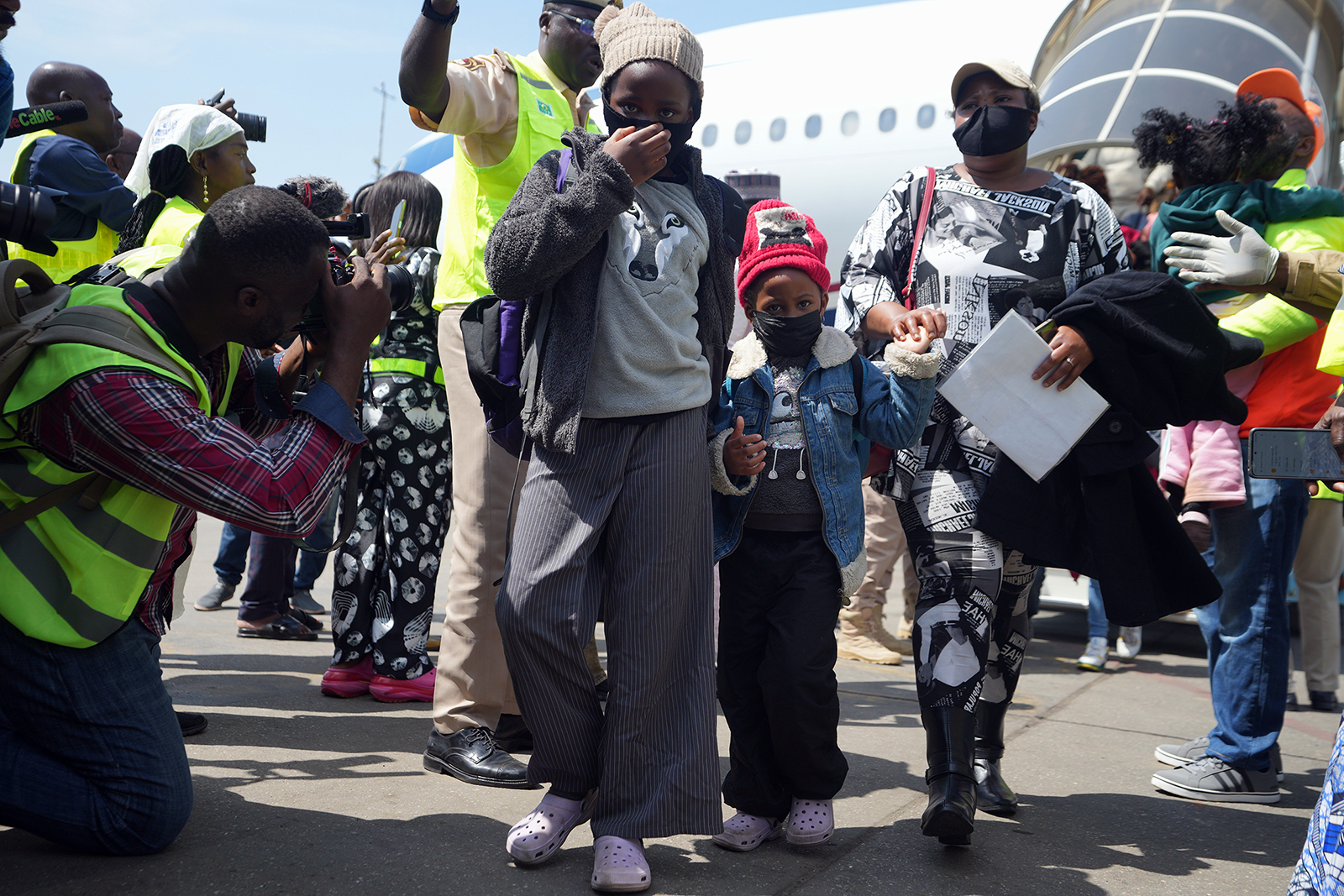
In the mounting anger, some countries have announced plans or started repatriating their nationals. In late May, Ghana was the first country to start repatriating its nationals, with 300 citizens arriving home. Malawi and Mozambique have also repatriated their nationals. Nigeria said it was considering retaliatory measures against South Africa, as it planned to repatriate 1,000 nationals.
Ethiopia and Mozambique each reported five deaths from the violence, according to the World Health Organization, while Nigeria said two had died in the violence since mid-April.
“Such actions violate the inherent dignity of every human being, contradict the moral teachings of our faith traditions, and weaken the bonds that unite our societies,” said Francis Kuria Kagema, the general secretary of the African Council of Religious Leaders – Religions for Peace, moments after the network held discussions on the mob violence.
Kuria urged an African future built on a recognition that “our humanity is bound together and that we are united by a common destiny,” instead of fear of one another.
Original Source: