(RNS) — At least 100 rabbis and other Jewish leaders are expected to join the growing coalition of clergy, union leaders and community activists gathering in Minneapolis on Thursday (Jan. 22) and Friday to protest the massive show of force by federal immigration agencies in Minnesota in recent weeks.
The local Jewish community has already taken a key role in the resistance to U.S. Immigration and Customs Enforcement in Minneapolis, but last week’s killing of Renee Good, an American citizen fatally shot by an ICE agent, has mobilized rabbis across the country.
Two progressive Jewish activist organizations, T’ruah: The Rabbinic Call for Human Rights and Rabbis for Ceasefire, each plan to bring more than 40 rabbis to Minneapolis. National Jewish leaders, such as Rabbi Jonah Dov Pesner, director of the Religious Action Center of Reform Judaism, the largest Jewish denomination in the U.S., are also expected.
Rabbi Jessica Rosenberg, a Minneapolis resident who is helping organize the Rabbis for Ceasefire delegation, said the broad representation of Jewish denominations is rare for a political event. “I have not seen people come together across this range before.”
RELATED: In Minneapolis, George Floyd-era faith networks reignite after Renee Good’s killing by ICE
The response is so great that registration for an orientation for clergy planned for Thursday by a group called MARCH: Multifaith Anti Racism Change and Healing has been closed after about 600 clergy from all faiths signed up for what is being described as a day of relationship building.
The next day, Friday, a general strike, dubbed “ICE Out of Minnesota: Day of Truth & Freedom,” is planned to show that participants “stand together against the actions of the federal government against the state of Minnesota,” according to the organizer’s website, which proclaims: “No shopping. No work. No school.”
Service Employees International Union has said many of its 2 million members across the country will protest in solidarity with Minnesota. In Minneapolis, the strike falls on the public school system’s previously scheduled teacher recordkeeping day, when no classes are held. Teachers and school administrators have complained in recent days of the disruptions ICE’s action in the city have caused students.
The U.S. Jewish community’s response to the federal immigration crackdown has been building gradually. On Wednesday, leaders of the Reform, Conservative and Reconstructionist movements, three of the largest Jewish denominations in the country, issued a joint statement denouncing violent immigration enforcement and calling on President Donald Trump and Secretary of Homeland Security Kristi Noem to pursue immigration enforcement through “just and non-violent means.”
Last week, some 50 rabbis and cantors, part of the Minnesota Rabbinical Association and the Minnesota Cantors Association, signed a letter decrying the actions of law enforcement and resolving “to take action — as individuals and as a collective — to bear witness and make a difference.”
The response from American rabbis, said Rabbi Jill Jacobs, executive director of T’ruah, is due to the violence of immigration enforcement agents’ arrests and crowd control tactics in Minneapolis, but she also cited the resonance of immigration as a theme of the Jewish experience in the U.S., where many Jews’ parents or grandparents came to escape oppression and persecution or to find new opportunities.
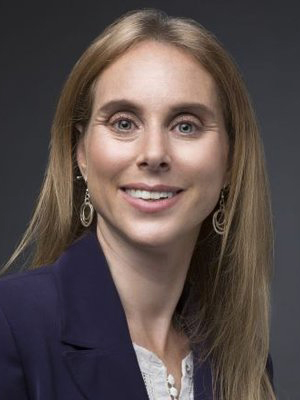
“There’s a feeling of obligation to be there on the street in the place that is the hotbed of anti-immigrant activities right now,” said Jacobs.
Rabbi Amy Eilberg, the first woman rabbi ordained by the Conservative movement, said she felt a personal responsibility to be in Minneapolis.
“To watch our own government acting in such an oppressive and brutal and dehumanizing way towards today’s immigrants is just really unbearable,” said Eilberg, whose mother was an immigrant to the U.S. from Ukraine. “As a religious leader, I absolutely consider it to be my obligation to stand up and to say, ‘We don’t agree with this. We won’t stand for this.’ This goes against everything that my religion teaches.”
Jewish Community Action, a social justice organization, has been especially active in Minneapolis since the immigration enforcement action began earlier this month. The group has trained more than 1,000 Minnesotans in nonviolent direct action, provided briefings for Jewish community members about how to get engaged and participated in mutual aid and support for undocumented people at risk of arrest, said Beth Gendler, JCA’s executive director.
One synagogue has launched a mutual aid fund that is designed to be a clearinghouse to support mutual aid work in the city.
Jacobs pointed out that Jews are now reading the story of their exile from the Book of Exodus as part of the scheduled reading portions in synagogues this month.
“We’re right smack in the middle of this story of oppression and slavery in in Egypt,” she said. “I think a lot of rabbis and Jews feel the obligation to stand up for our neighbors who are similarly being scapegoated by our current national leaders.”
RELATED: Two Episcopal bishops say clergy may have to put ‘bodies on the line’ to resist ICE
Original Source: